Published September 3 2026
Why do so many AI training programs struggle to drive lasting adoption?
In this blog Liam shares how Promptathons, Agentathons and Copilot Escape Rooms help employees build real-world confidence by applying AI in realistic scenarios, not just watching demos.
Training attendance is not the same as adoption. When an AI training session is well attended, it is tempting to call training a success. But the question I pose is:
“Do people know how to apply what they learned when they are back at their desk?”
One of the most common challenges we see in AI adoption programs is that attendance does not always translate into sustained use. This is especially true when organisations are introducing fast-moving tools such as Microsoft 365 Copilot and other AI-enabled ways of working. A training session can explain the basics, demonstrate practical use cases and give people a useful starting point, but attendance alone does not mean people will keep using the tool confidently once the session ends.
In my experience, this is often where adoption either continues to build or starts to slow down. People may understand the concept but still hesitate when they need to apply it to their own work. They might not know how to use it in their own workflows or, often more importantly, how to properly judge whether a Copilot response is truthful and accurate. Without ongoing support and reinforcement, the confidence built during training can fade quickly. AI use can then stay limited to the examples discussed in the session, rather than moving into everyday practice.
For digital workplace leaders, change managers and Copilot program sponsors, the challenge is therefore not simply getting people into training. It is creating the conditions for people to practise with confidence once the session has finished.
Introducing engagement events
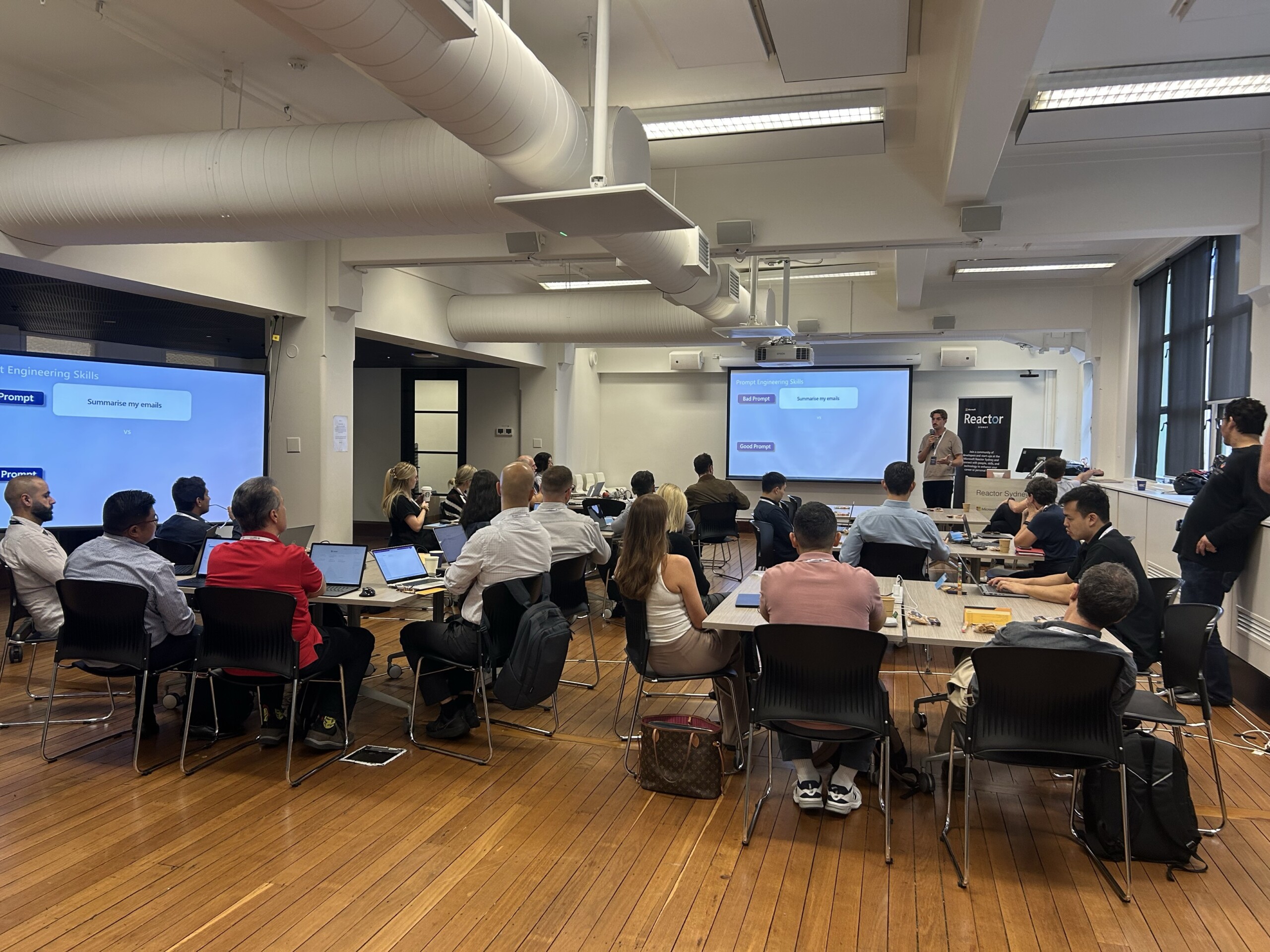
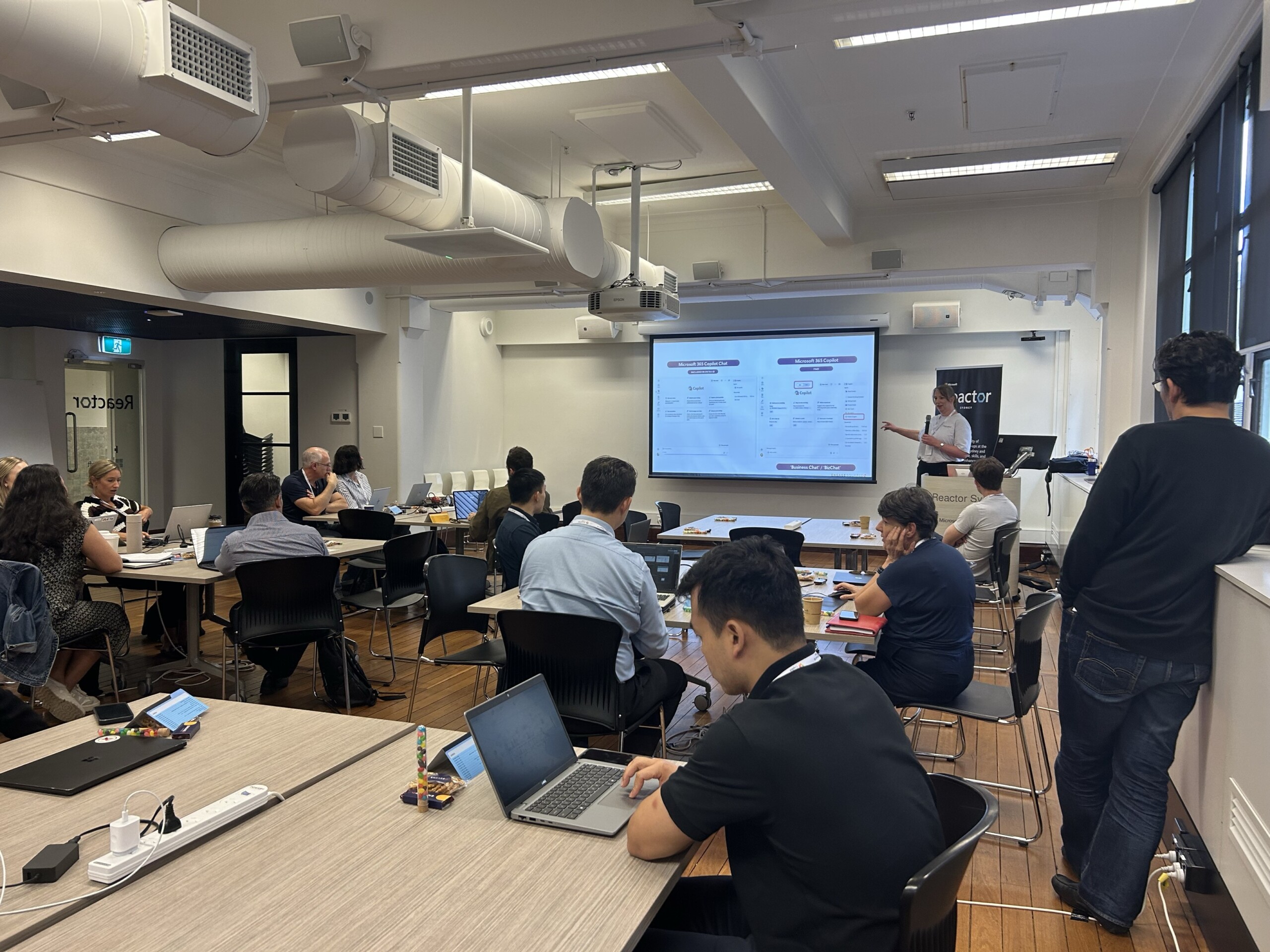
This is where engagement events become valuable. Promptathons, Agentathons, Copilot Escape Rooms and similar activities are not replacements for formal training. They are designed to build on it by giving people time to try realistic scenarios in a supported environment. From these sessions, I notice that people often learn as much from seeing a colleague take a completely different approach as they do from watching me demonstrate the tool in a more traditional training format.
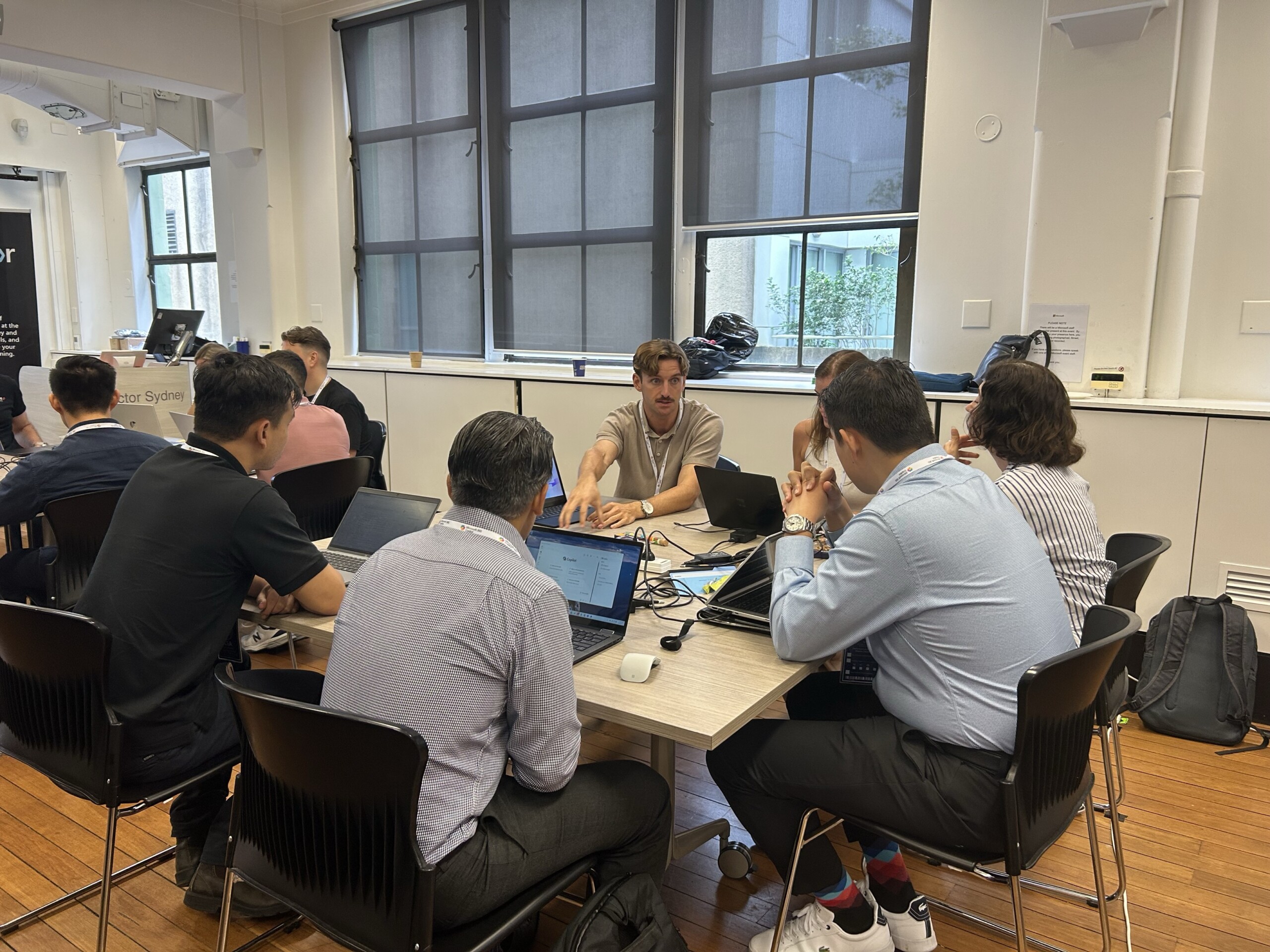
I have seen this in Copilot Escape Room sessions, even when the same client group is working with the same puzzle and the same tools. Teams often take very different first steps. Some move straight into testing prompts, while others spend more time interpreting the task or dividing responsibilities across the group. The strongest teams are usually not just the fastest. They are the ones that talk through their approach and explain why they made certain choices before simply presenting the answer.
The biggest difference in engagement events is the active participation they generate. In a training session, people are often listening and watching. In an engagement event, they’re expected to solve a problem, test different approaches and learn from the people around them. The challenge or competitive element is simply what gets people engaged. What people actually take away from the experience comes from applying Copilot to a real scenario, discussing different approaches and seeing first-hand what works and what doesn’t.
What engagement events look like
Engagement events can be run in person, virtually or as a hybrid experience. The format matters less than making the activity accessible and running it where people already work and collaborate.
At Engage Squared, we often run Promptathons, Agentathons and Copilot Escape Rooms with clients, but these are only a few examples of what an engagement event can look like. A Promptathon is a workshop where participants work together to design and refine Copilot prompts for real use cases. An Agentathon gives participants the opportunity to ideate on a real Copilot agent use case and take it from an initial idea to a working prototype. A Copilot Escape Room brings teams together and challenges them to use Copilot to investigate documents and solve a series of guided puzzles and tasks, facilitated through a custom Copilot Agent.
Although each event has a different format, they all give people a supported space to apply what they have learned, compare approaches with others and build confidence using Copilot in realistic scenarios. From observing, participating in and facilitating these activities, I have found that the most effective events usually have a few things in common.
- Start with a real use case. The activity needs to connect to work people actually do. The best examples are usually not abstract Copilot challenges. They are based on tasks participants already recognise, such as summarising information, preparing a first draft or turning scattered notes into something usable.
- Give enough guidance to get people started. People need to know what they are trying to achieve and where to begin. I have seen activities lose momentum when teams spend the opening part of a session trying to understand the task rather than testing Copilot. Clear instructions and a realistic outcome make a big difference.
- Leave room for different approaches. There should not be one perfect prompt or path through the activity. The value comes from people testing their own approach and then seeing how others reached a different result.
- Start small before scaling. I would usually begin with change champions, power users or project teams that are already interested and heavily connected to the program. Build energy with a smaller group first, then use their stories to bring others in.
- Make sure leaders understand the purpose. Promptathons, Agentathons and Copilot Escape Rooms can sound less serious than traditional training and are often misunderstood. They need to be positioned as part of the broader adoption program, with clear learning objectives rather than as a fun side activity.
Bringing it all together
Formal training remains essential. It gives people the foundation to understand what Copilot can do, how to use it responsibly and where they need to apply judgement. But training alone does not always create lasting confidence. People also need space to test that knowledge against realistic challenges and see how others approach the same work.
This is particularly important after the initial rollout, when attention can begin to shift elsewhere. An engagement event will not solve adoption on its own, but it can give people a reason to return to the tool and reconnect with the broader program. The most effective events I have seen are not successful simply because they are enjoyable or competitive. They work because people leave with something they can apply to their own work.
The best learning does not always feel like training. Sometimes it feels like solving a challenge with your team, testing an idea or noticing how someone else used the same tool in a way you had not considered.
About the author
Liam is a people-focused change and M365 consultant with a passion for building positive team cultures, exploring emerging AI capabilities and helping people get real value from the technology they use every day. Having worked across education, government and enterprise organisations, he enjoys turning complex challenges into practical outcomes for people. Liam is particularly interested in discovering new uses for Copilot and agents, and created Engage Squared’s Copilot Escape Room, along with other engagement experiences, as part of his ongoing passion for innovative AI adoption and engagement.
Get in touch